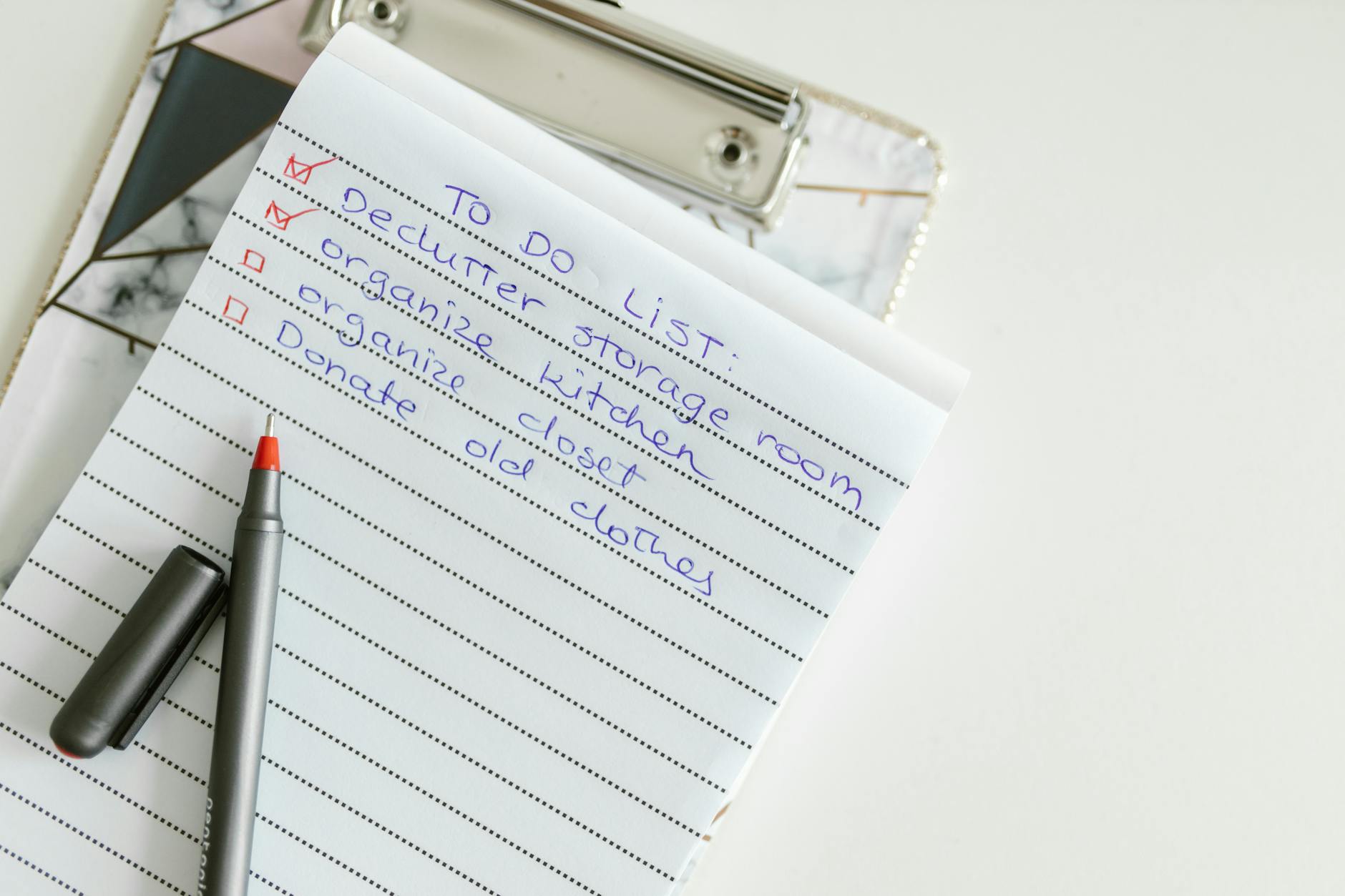
You organize a home to be easier to clean by owning fewer loose items, giving every remaining item a home near where you use it, and keeping floors and flat surfaces as clear as possible. Cleaning is mostly moving things out of the way and then wiping or vacuuming; when there is little to move, a 30-minute job can shrink a lot.
Organization and cleaning feed each other. Clutter makes dust and spills hard to reach, and a dirty space makes you less likely to put things away. The plan below starts with what to remove, then covers storage by zone, which containers help and which do not, and how to keep the system running after the first burst of energy fades.
Start by clearing surfaces and floors
The goal is not a minimalist home. It is clear access to the surfaces you clean most often. Measure success by how long it takes to wipe or vacuum, not by how the closet looks.
Priority surfaces, in order of cleaning payoff:
- Floors. Anything on the floor has to be lifted before vacuuming. Clear shoes, bags, toys, laundry, and cords from main walkways first.
- Kitchen counters. Keep only what you use daily, such as a coffee maker, a knife block, or a dish rack. Move the rest to cabinets.
- Bathroom counters and tub edges. Reduce to a toothbrush holder, hand soap, and a few essentials.
- Tables, desks, and nightstands. A clear tabletop wipes in seconds.
- Window sills and shelves. Dust collects here, and fewer decor items means less to dust around.
Take everything off one surface at a time and put back only what earns its spot. Items you do not use daily go into storage; items you do not use at all go in a donate, sell, or trash pile. Do this for one small zone per session so it does not become an all-day project.
Sort what you own into four groups
When you handle each item, put it in one of four places:
- Keep and use here: It belongs in this room and you use it regularly.
- Keep elsewhere: It belongs, but in a different room or in long-term storage.
- Donate or sell: Usable items you no longer use.
- Discard or recycle: Broken, expired, or worn-out items.
A few practical rules keep the sorting honest. Duplicates (five spatulas, ten water bottles) can usually be trimmed to what you really use. Expired food, old cosmetics, and dried-out pens go in the trash. Items waiting for repair that have sat untouched for months are probably not going to be fixed. If you are stuck on an item, put it in a “maybe” box with a date on it, and if you have not opened the box in a few months, donate it unopened.
Do not buy storage containers before sorting. Organizing products for items you will later discard are a common waste of money.
Store things where you use them
The most useful organizing principle for easy cleaning is point-of-use storage: put each item at the place where you use it first, and make putting it away as easy as getting it out.
| Item | Where it should live | Why |
|---|---|---|
| Cleaning spray and cloth | Under the kitchen sink and in each bathroom | You will wipe more often if supplies are in reach |
| Shoes, bags, keys | Near the front door in a rack, bin, or hooks | Stops items from scattering across the house |
| A basket or tray by the entry; sort over the recycling bin | Prevents paper piles on counters | |
| Frequently used pots and pans | Between the stove and sink, in easy-reach cabinets | Faster cooking and cleanup |
| Laundry hamper | In the bedroom or bathroom where clothes come off | Fewer clothes on the floor |
| Chargers and devices | One charging station with a tray or drawer | No cables across surfaces |
Think in terms of friction. If putting a coat on a hook takes one second and putting it in a closet takes ten, the coat will end up on a chair. Open bins, hooks, and baskets are easier than lidded boxes and hangers. For more on why messes keep landing in the same spot, the article on stopping clutter hotspots from coming back breaks down the habit behind each one.
Choose storage that is easy to clean around
Not all storage helps cleaning. Some of it adds dust catchers or hides forgotten items.
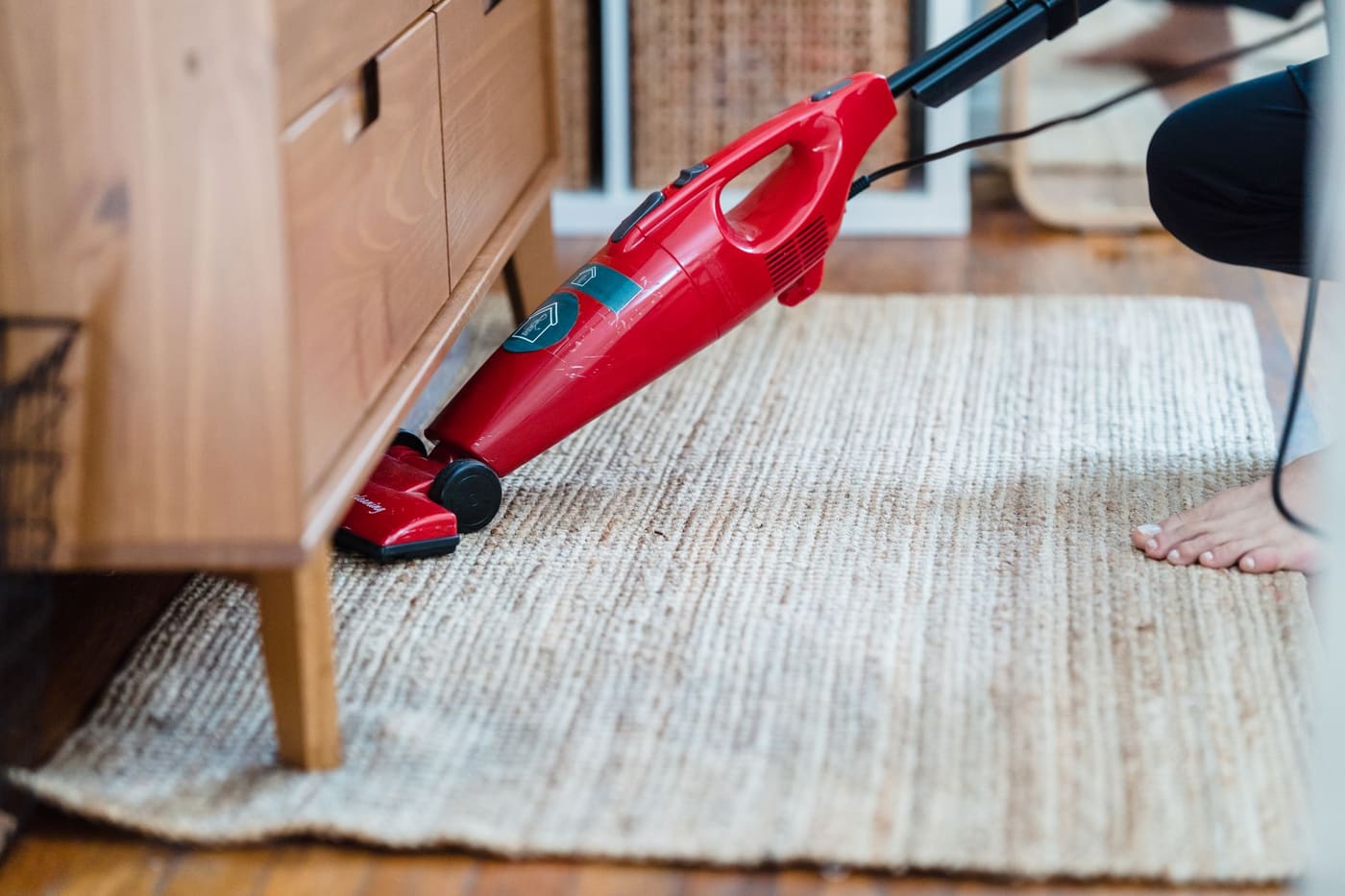
Features that help:
- Closed doors or lids on rarely used items, which keep dust off. Use clear bins or label the front so you do not have to open each one.
- Wall-mounted shelves and hooks, which free up floor space and make vacuuming easier. Use anchors rated for the wall type and the load, and find studs for heavy items. Hire a professional if you are not comfortable drilling, since wiring or pipes can be hidden behind walls.
- Furniture with enough clearance underneath to vacuum. Check the height of your vacuum’s head or robot before buying.
- Drawer dividers and shallow trays, which keep small items from mixing in a pile.
- Baskets with handles, which let a family member carry loose items back to the right room in one trip.
Things to avoid: deep stacked bins where the bottom items are never reached, open shelves packed with small knickknacks that need individual dusting, and unlidded under-bed storage in dusty rooms. Do not stack heavy items on high shelves where they could fall, and keep walkways and exits clear.
Zone the home so each space has a clear purpose
When every room has a job, it is clear what belongs there. Mark zones in your mind, or on paper:
- Entry zone: Shoes, coats, bags, keys, mail.
- Kitchen zones: Prep, cooking, cleaning, and storage, each with the tools needed for that task.
- Living zone: Remote controls, throws, books, and items you use while seated.
- Sleep zone: Clothes for tomorrow, a hamper, and a nightstand with a few items.
- Bathroom zone: Daily-use items out; backup supplies in a cabinet.
- Utility zone: Cleaning supplies, laundry items, and tools.
Anything found outside its zone goes back during a daily pickup. This makes tidying a simple sweep rather than a decision-making task. A small basket for “items that belong upstairs” or “items that belong in the kids’ room” saves multiple trips.
Make resets fast with a daily sweep
Organization decays without maintenance. A daily 5 to 10 minute reset keeps a good system working:
- Walk through each main room with a basket or bin.
- Collect anything that is out of place.
- Return items to their zones, or leave the basket by the stairs to take up on the next trip.
- Clear the kitchen counters and the table.
- Check the entry and straighten shoes and bags.
Pair this with a quick weekly pass for the bigger categories: a drawer, a shelf, or one closet. A one-in, one-out rule can help too: when you bring a new item in, such as a jacket, a mug, or a toy, one similar item leaves. This stops slow creep. The routine from the guide to keeping a home cleaner without spending all day cleaning fits well with this sweep.
Prepare for deeper cleaning
An organized home makes seasonal deep cleaning shorter, since you can clear a shelf or cabinet, wipe it, and refill it in minutes. When you plan a bigger reset, organize before you scrub. For priorities on that front, the guide to what to focus on when deep cleaning a home can help you decide where to start.
A few safety notes while organizing. Wear gloves when handling dusty or moldy items and wash your hands afterward. The EPA says moldy areas larger than about 10 square feet call for professional advice, so if you find more than that, signs of pests, or leaking in a basement or attic, stop and address the source before storing anything there. In homes built before 1978, avoid disturbing flaking paint, and learn the lead-safe approach before sweeping or vacuuming paint chips. Keep chemicals, batteries, and medications in secure storage away from children and pets, and take hazardous household waste to a local collection site as your area requires.
Where this comes from
The mold guidance comes from the US Environmental Protection Agency’s brief guide to mold, moisture, and your home. The storage and sorting methods are common home-organizing practice rather than research findings. Local rules on hazardous waste and medication disposal, and product ratings for shelf anchors, change and differ by place, so check with your local waste authority and the product instructions.