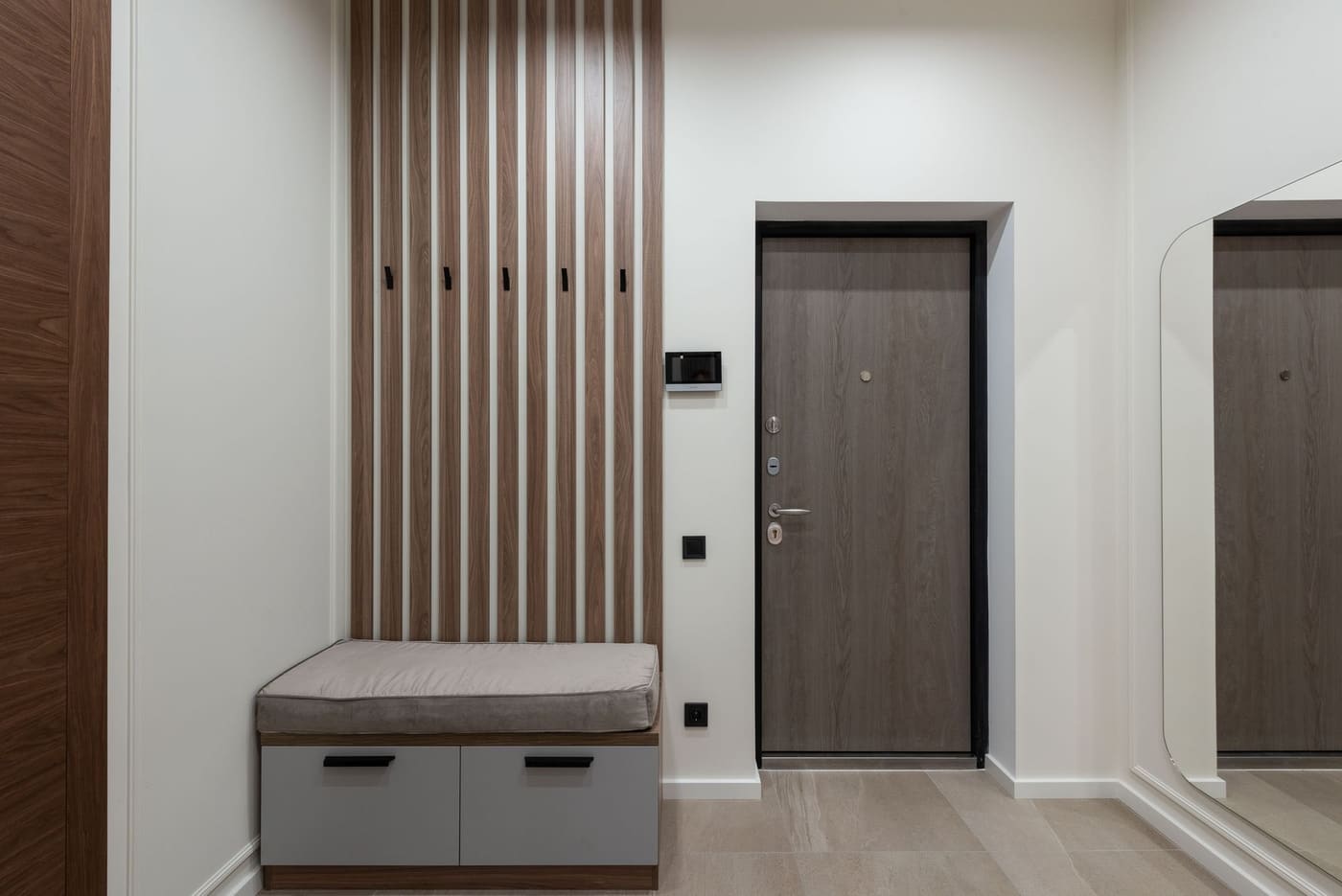
Clutter hotspots come back because the spot is doing a job your storage is not: it is the nearest, easiest place to put something down. To stop the cycle, work out what keeps landing there, give that item a faster home right next to the hotspot, and add a short, scheduled reset so small piles never become big ones. Cleaning the spot again without changing those things usually means the pile returns within a week or two.
A hotspot is rarely a discipline problem. It is a design problem. The sections below show how to diagnose a repeat pile, choose a fix that fits the item, and keep it from creeping back.
Identify what is actually piling up
Spend two or three days noticing, not fixing. Take a quick photo of each hotspot at the end of the day and note what is in it. You will often find that one or two categories make up most of the pile.
Common hotspots and what they usually mean:
| Hotspot | Typical contents | Likely root cause |
|---|---|---|
| Kitchen counter near the door | Mail, keys, bags, packages | No landing spot at the entry |
| Dining table | Papers, school items, laptops, projects | The largest flat surface in the room |
| Chair or bedroom floor | Worn-once clothes | No place for “not dirty, not clean” clothes |
| Stairs | Items waiting to go up or down | No basket or routine for carrying things |
| Nightstand | Cups, books, cords, receipts | Too many roles for one small surface |
| Bathroom counter | Products, hair tools, towels | Too many items, no designated storage |
| Floor by the door | Shoes, coats, bags | Not enough hooks or too little room |
The right fix depends on the category. A mail pile needs a sorting system, a clothes pile needs a place for in-between clothes, and a stair pile needs a carry basket. A single generic solution, such as buying more bins, usually misses.
Find the habit underneath the mess
Every pile begins with a small decision: “I will deal with this later.” Ask what makes later easier than now. Common answers:
- It takes too many steps. Opening a closet, moving a hanger, and finding space is more effort than dropping a coat on a chair.
- It has no home. Items you do not have a place for end up wherever there is room.
- It needs a decision. Mail, school forms, and receipts require you to decide what to do with them, so they wait.
- It is in the way of the next task. You set something down to open a door, then forget it.
- There is too much stuff. Storage is full, so new items cannot fit.
Write the answer next to each hotspot. A pile of mail is a decision problem. A pile of coats is a friction problem. A full closet is a volume problem. Each has a different solution, and matching them is what makes the fix stick.
Reduce the steps between the hotspot and a home
For friction problems, the principle is simple: put the storage within arm’s reach of where the item lands, and make it quicker than dropping it on the surface.
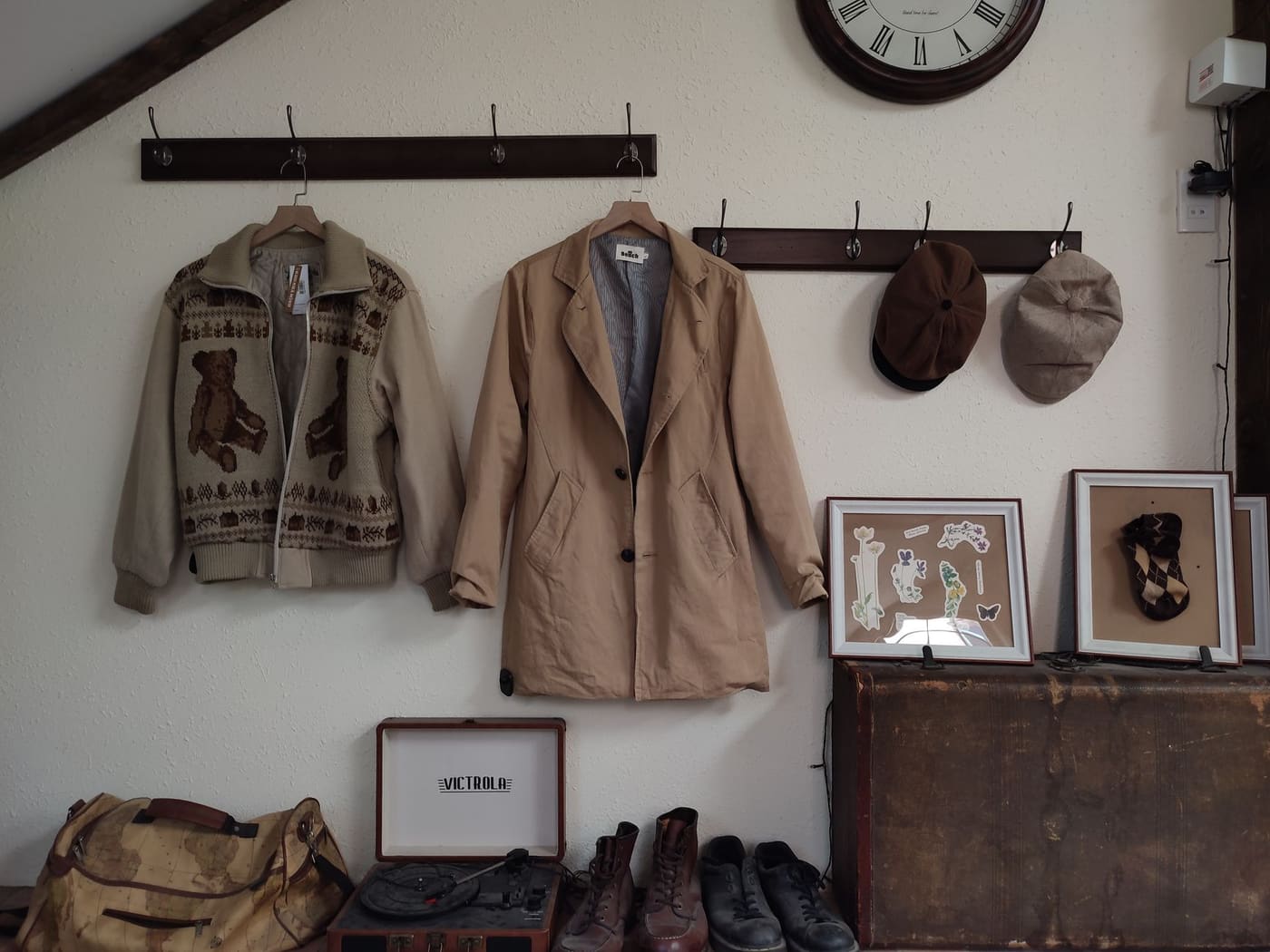
- Hooks over hangers. A row of hooks at the door takes a second to use. Mount them at a height each person can reach, using wall anchors or studs suited to the load.
- Open bins and baskets over lidded containers. Lids add a step. A basket you can toss things into works for shoes, toys, and throws.
- A drop zone at the entry. A small shelf or tray for keys, wallet, and sunglasses, plus a bin for outgoing items, keeps the counter clear.
- A hamper where clothes come off. One in the bedroom and one in the bathroom reduces floor clothes. A second, smaller basket for worn-once clothes stops the chair pile.
- A carry basket at the stairs. Items that belong upstairs or downstairs go in the basket and are carried on your next trip.
- A charging station. One drawer or tray with a power strip keeps cords and devices off counters. Do not overload the strip or cover it with fabric.
Place the fix next to the problem, not where it would look best. A beautiful shelf in the next room does not catch items dropped at the door. For broader storage principles, see the guide to organizing a home so it stays easier to clean.
Solve decision piles with a simple intake system
Mail, paperwork, and school forms accumulate because each piece asks for a decision. Break the pattern with an intake routine that makes decisions fast.
- Sort over the recycling bin. Open mail the day it arrives and throw out junk immediately.
- Use three trays or folders: “Act soon” (bills, forms with deadlines), “File” (documents to keep), and “Read later.” A vertical file sorter or a wall pocket organizer works.
- Set a weekly paperwork time. Fifteen minutes on the same day each week clears the “act soon” tray. Pay bills, sign forms, and file the rest.
- Go paperless where you can. Switching statements and bills to electronic delivery reduces the volume.
- Photograph items you only need to reference, such as a flyer or a school calendar, and recycle the paper.
Keep important records, such as tax documents and legal papers, in a secure place such as a fireproof box or a cabinet file. How long to keep each type varies, so check with a tax professional or the issuing agency’s guidance for specific records before you shred anything.
Do a one-time reset, then set the trigger
After you understand the cause, clear the hotspot completely. Remove everything, wipe the surface, and return only what belongs. Sort the rest with the four-pile method: keep here, keep elsewhere, donate or sell, discard. If the overall amount of stuff is the issue, the guide to what to clean first when your house feels overwhelming can help you triage before you try to organize.
A reset only lasts if something triggers upkeep. Choose a cue you already have:
- After dinner: Clear the kitchen counters and the table while the dishwasher runs.
- Before bed: A five-minute pickup in the living room and entry. Set a timer.
- On arrival home: Shoes on the rack, mail sorted, keys in the tray, before you sit down.
- Weekly: A 10-minute reset for a trouble spot, such as the dining table on Sunday evening.
- When laundry gets done: Put clothes away right away, so worn-once items have space.
Short, predictable resets tend to work better than a huge purge twice a year, because they stop a pile before it needs a four-hour clean-out. The routines in keeping a home cleaner without spending all day cleaning pair well with these triggers.
Cap the volume so storage can hold it
Sometimes the problem is simply more stuff than space. If a hotspot is a symptom of full cabinets, closets, or drawers, no storage trick will hold. Set a limit.
- Define a boundary. One basket for mail, one shelf for books, one bin for toys. When it is full, something leaves before something new goes in.
- Use a one-in, one-out rule for clothes, mugs, and similar items.
- Do a quick quarterly cull of one category, such as coats, kitchen gadgets, or bathroom products. Check expiry dates on cosmetics and medications, and dispose of old medication using your local pharmacy take-back or official disposal guidance.
- Pause new storage purchases until you have decluttered. A container does not reduce the amount you own.
Be careful with storage in garages, attics, and basements. Anchor heavy shelving, and keep boxes off damp floors to avoid mold. Do not store paint thinner, propane, or other flammables near heat sources or living areas, and follow local rules for disposing of hazardous items.
Handle shared spaces and other people’s stuff
In multi-person homes, a hotspot often belongs to someone else. Blaming does not fix it. Practical options:
- Give each person a personal bin or shelf near the hotspot. A bin labeled with each name works for kids and adults.
- Create a “belongs elsewhere” basket that people empty into their own rooms once a day.
- Agree on one rule, such as “the table is clear by 8 p.m.,” and stick to it.
- Make the right action easy for kids. Low hooks, picture labels, and open bins help young children put items away.
- Respect that some items are in progress, like a puzzle or craft project. Give them a tray or a defined shelf, with a limit.
Consistency matters more than strictness. If the system takes too much effort for another person, adjust the system to fit their habits instead.
Where this comes from
This guide is based on common home-organizing practice and on general safety guidance for storage, such as anchoring heavy shelving and keeping flammables away from heat. It is not drawn from research studies. Record-keeping periods, medication disposal rules and hazardous-waste rules differ by place and change over time, so check with the relevant agency, pharmacy or local waste authority.