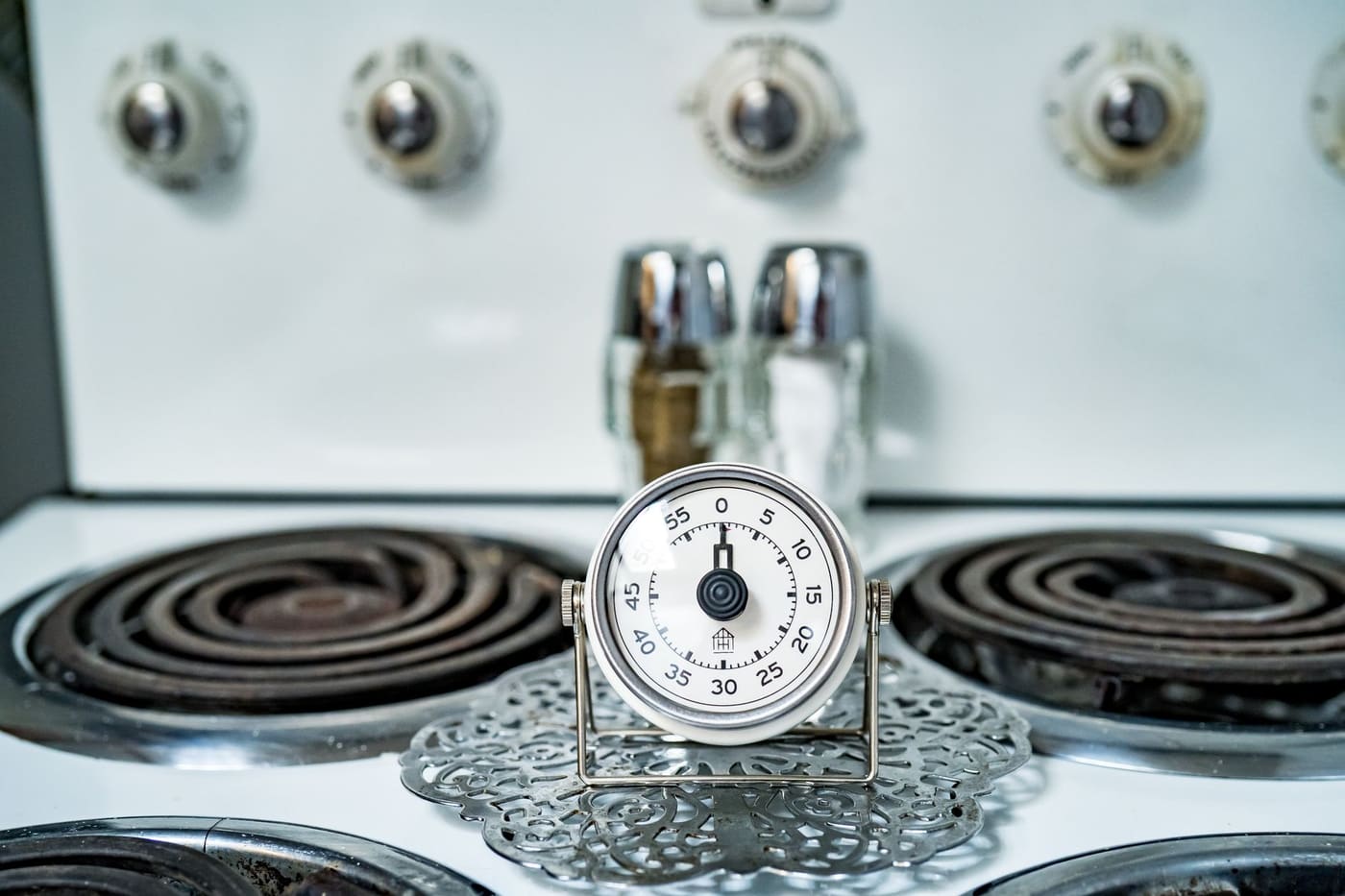
With 20 minutes, spend 5 minutes on trash and dishes, 5 minutes clearing the surfaces people see first, 5 minutes wiping the kitchen counters and bathroom sink, and 5 minutes on a quick floor pass in the main walkway. That sequence changes how a home looks and smells more than most other uses of the time, because it targets visible clutter, odor sources, and the high-traffic floor.
The goal in 20 minutes is not a clean house. It is a house that feels calmer and works better. The plan below gives you a minute-by-minute order, shows how to adapt it to different situations, and lists what to leave alone so you do not waste the window.
The rule for a short clean: visible, functional, smelly
Time is the constraint, so every minute should go to the tasks with the highest payoff. Use this filter:
- Visible: What do you or a visitor see first when entering the room? Flat surfaces, the floor, and the sink.
- Functional: What stops you using the space? A full sink, a crowded table, or an overflowing trash can.
- Smelly: What is producing an odor? Trash, dishes, a dirty toilet, a litter box, damp towels.
Anything that is not visible, not functional, and not smelly can wait. This is why cleaning inside a drawer or scrubbing grout does not belong in a 20-minute window even though both are worth doing eventually.
The 20-minute plan, minute by minute
Set a timer for 20 minutes, put on music if you like, and move in this order. Keep a trash bag and a basket within reach before you begin.
| Minutes | Task | Details |
|---|---|---|
| 0 to 5 | Trash and dishes | Walk the main rooms with a bag and collect trash. Gather dishes to the kitchen and load the dishwasher or stack and wash the essentials. |
| 5 to 10 | Clear surfaces | Use the basket to collect items that belong elsewhere. Clear the kitchen counters, the table, and the coffee table. |
| 10 to 15 | Wipe | Spray the kitchen counters and stovetop and wipe. Wipe the bathroom sink, faucet, and mirror. Quick-wipe the toilet seat and rim. |
| 15 to 20 | Floors and finish | Vacuum or sweep the main walkway, entry, and the spot under the dining table. Straighten pillows and put the basket by the stairs. |
Do not stop to organize or put things away in their final location. Put items into the basket and keep moving. You can return them later.
Adjust the plan for the situation
The same 20 minutes can be spent differently depending on what is wrong.
If guests are about to arrive
Shift weight to the entry, living room, and bathroom. Spend 8 minutes on the bathroom (toilet, sink, mirror, trash, fresh towel), 7 on clearing and wiping the main seating area, and 5 on floors and the entry. A longer guide is in cleaning for guests without panic-cleaning everything.
If the kitchen is the problem
Spend the full window in the kitchen: 5 minutes trash and dishes, 5 minutes putting away food and clearing counters, 5 minutes wiping counters, stovetop, and sink, and 5 minutes on the floor and a last look. The order in the article on cleaning a kitchen faster and more effectively fits within this.
If you are exhausted or low on energy
Pick the minimum: trash out, dishes in the dishwasher, one counter cleared and wiped. Ten minutes on those three still makes a difference. Skip the floor.
If it is a work-from-home day
Clear your workspace and the route to it, wipe your desk, and do the dishes from lunch. A tidy visual field makes the room more pleasant when you are sitting in it for hours.
If pets or kids are involved
Add a quick pass for pet hair or crumbs on the couch and floor, and move toys into a basket or bin. A lint roller or a damp rubber glove picks up pet hair fast.
A room-by-room version if you have a single space
Sometimes you only care about one room, such as the one where you will spend the evening. The same four blocks apply, scaled to the space.
- Living room: Collect cups, wrappers, and stray items in the first 5 minutes. Fold throws and straighten cushions. Wipe the coffee table and side tables. Vacuum the rug or the path from the door to the couch.
- Bedroom: Strip nothing and rearrange nothing. Put clothes in a hamper, make the bed, clear the nightstand, and vacuum the open floor.
- Bathroom: Clear the counter, spray the toilet, sink, and tub edge and let the cleaner sit, then wipe in the order of mirror, sink, tub edge, toilet, floor. Empty the trash.
- Entry: Line up shoes, hang coats, sort the mail over the recycling bin, and shake or vacuum the mat.
In each case the pattern is the same: remove, clear, wipe, floor.
Tools to have ready
Having supplies in one place saves minutes.
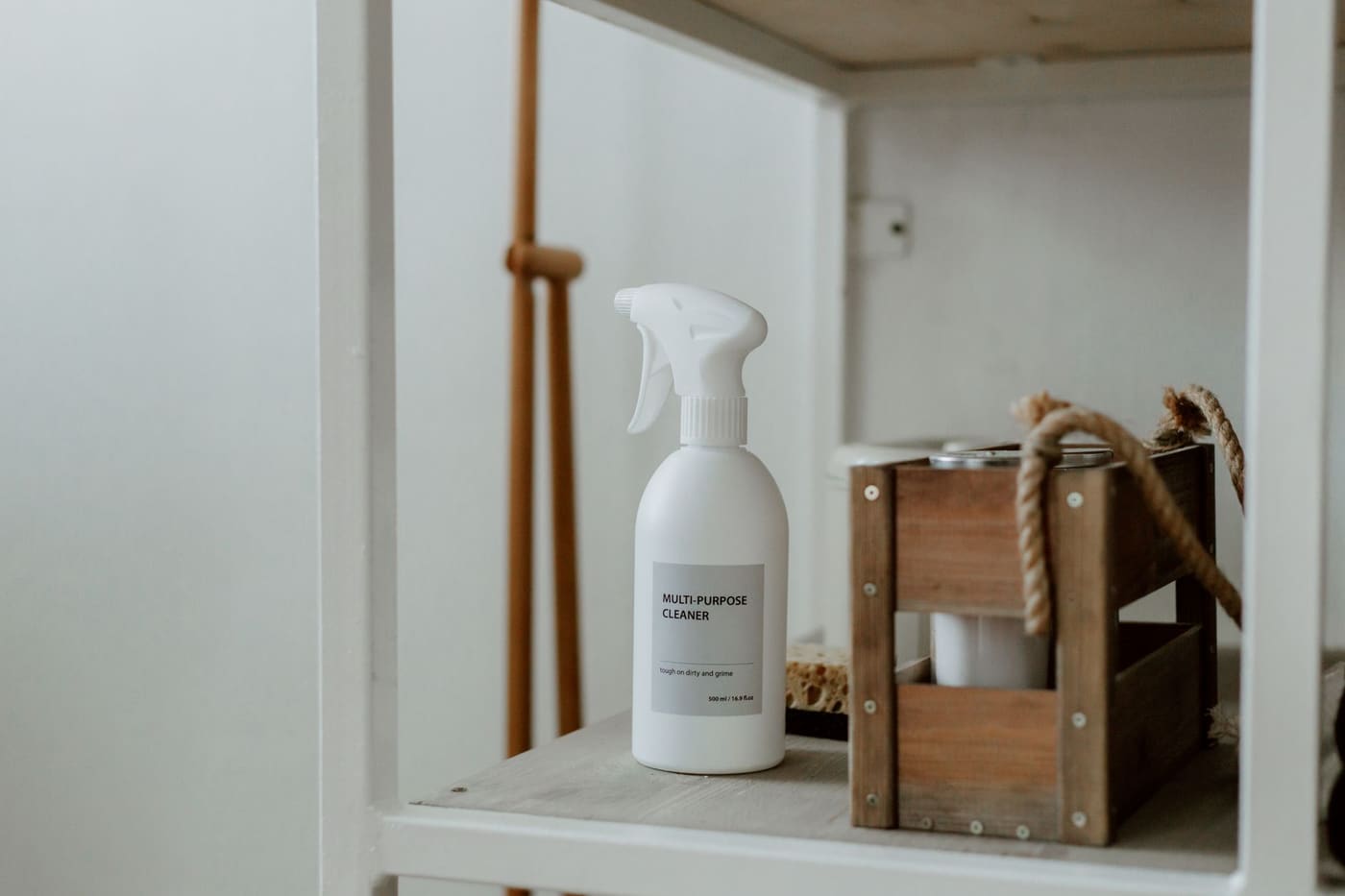
A small caddy with these items is enough:
- All-purpose spray (check the label for the surfaces it is safe on)
- Glass cleaner
- Two or three microfiber cloths
- Disinfecting wipes or toilet cleaner
- A trash bag and a laundry basket
- A handheld or stick vacuum, which can make a floor pass much faster
Use disinfectant products according to the label. Disinfectants must stay wet on the surface for the contact time printed on the label to work, so spray and wipe other areas first and return. Do not mix cleaning products: the CDC says never to mix bleach with ammonia or any other cleaner, and acids such as vinegar also react with bleach. Open a window or run the fan, and wear gloves if you are using stronger cleaners.
What to skip in a 20-minute window
Resist the urge to start projects. Skip:
- Organizing drawers, closets, or cabinets. They take longer than you expect and do not change a room’s look at a glance.
- Deep cleaning appliances, such as the oven or fridge interior.
- Scrubbing grout, tile, or the tub. These are worth doing, but need more time.
- Dusting every shelf and decor item. A quick wipe of the main surfaces is enough.
- Window washing and baseboards.
- Starting a second room. A finished room is better than two half-finished ones.
If you notice something worthwhile but time-consuming, write it on a list for another day. Tasks that fit a longer cycle are laid out in weekly versus monthly cleaning.
Common mistakes in a short clean
Short sessions go wrong in predictable ways:
- Starting with the floor. If you vacuum before clearing, you will redo it.
- Chasing items around the house. Carrying one item to its place at a time costs minutes. Use the basket.
- Spraying and wiping immediately. Spray first, then do something else for a couple of minutes so the cleaner works.
- Getting stuck in one corner. Use the timer and move on when each block ends.
- Starting a task that cannot be finished, such as taking apart a cluttered closet.
- Using too many products. One all-purpose spray and a glass cleaner cover most of what you need.
When a house feels beyond what 20 minutes can fix, step back to the larger triage in what to clean first when your house feels overwhelming.
Make 20 minutes a habit, not an emergency
If you do 20 minutes a day, even without planning, the home rarely reaches the panic stage. A simple rotation works well: Monday kitchen and trash, Tuesday bathrooms, Wednesday floors, Thursday bedrooms and laundry, Friday living areas, with the weekend for anything left. The point is a regular, short, repeatable session. Pair it with a trigger such as the end of dinner, and keep a timer visible.
Where this comes from
The advice on not mixing bleach with other cleaners comes from the Centers for Disease Control and Prevention, and the point about disinfectant contact time follows what product labels instruct. The 20-minute split is a practical planning pattern, not a research finding, so adjust the times to your home. Product labels change, so read the current one before you use a cleaner.